Progesterone Levels During IVF – Why They Matter and When to Measure Them
9.10.2025 · 1 min reading
The correct progesterone level is critical for IVF success—not only its presence, but also its timing and dosage.
What Exactly Does Progesterone Do?
Progesterone prepares the endometrium (uterine lining) to receive the embryo and helps support early pregnancy.
It creates an optimal environment in the uterus where new life can begin.
Different Cycle Types, Different Approaches
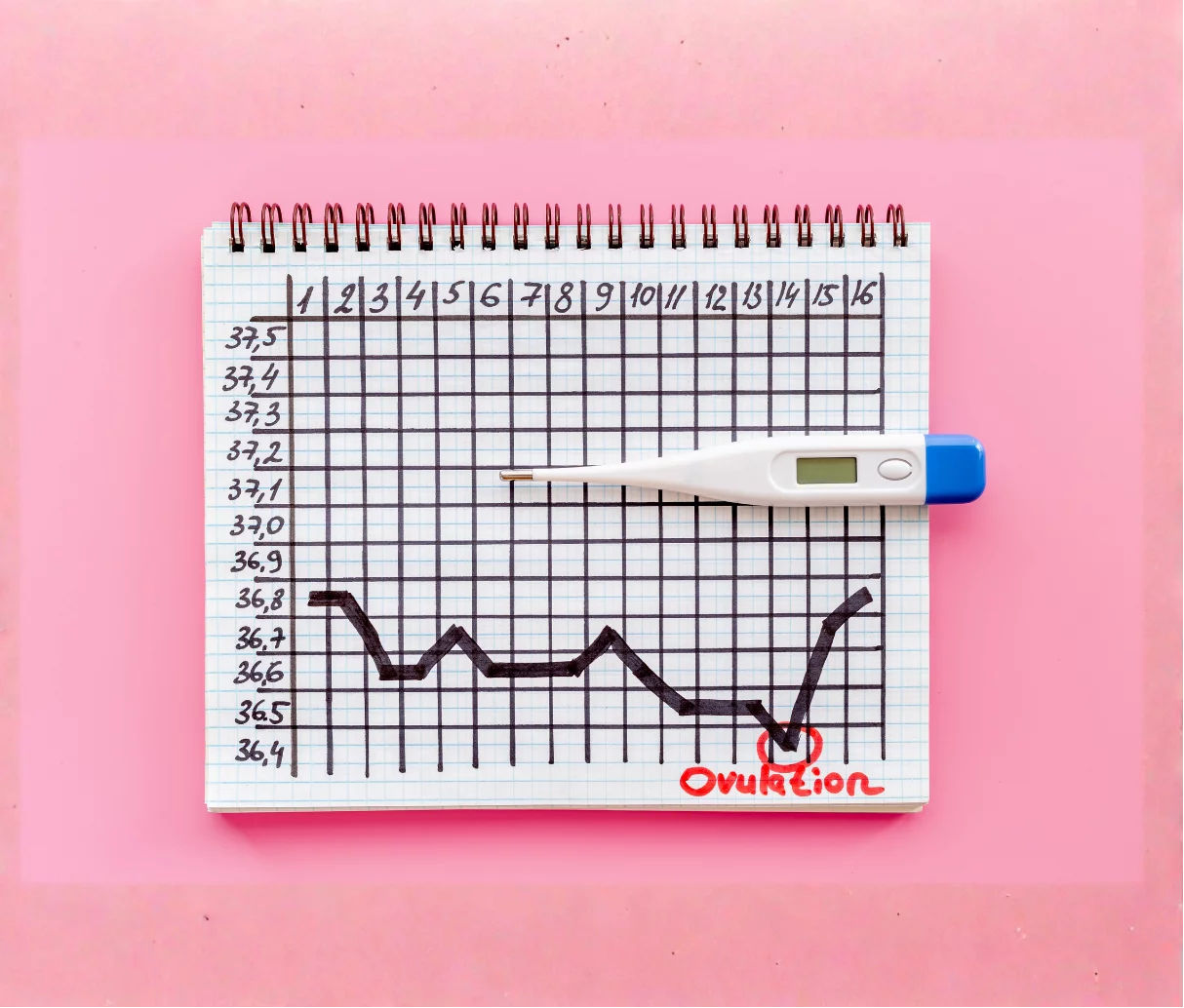
- In natural and stimulated cycles, the body produces progesterone naturally after ovulation.The key is timing—progesterone must not rise too early, as this could disrupt synchronization between the embryo and the uterine lining.
→ Progesterone is therefore measured on the day of the trigger injection, which induces ovulation. - In artificial (substituted) cycles, ovulation does not occur, and progesterone is not produced naturally. In these cases, the absolute level of progesterone is crucial.
→ Progesterone is administered externally, and levels are measured on or before the day of embryo transfer to ensure they are sufficient to support implantation.
What is the Ideal Progesterone Level?
- The optimal blood level to support implantation is approximately 10–12 ng/ml, which corresponds approximately to 32–38 nmol/l.
- In some patients (e.g. those with endometriosis), the target progesterone level may need to be even higher.
Personalised Treatment is the Key to Success
Every woman is different – therefore progesterone dosage and target levels must be tailored individually.
At Europe IVF, our doctors always consider:
- The type of cycle (natural, stimulated, or substituted)
- The patient’s age and medical history
- BMI (body mass index)
- The body’s response to previous treatment
Find out what your options are.