Oestrogen and Progesterone – Key Hormones for Women’s Health and Successful IVF
9.10.2025 · 1 min reading
Two hormones influence more than we realize – oestrogen and progesterone are absolutely essential not only for natural conception but also for the success of assisted reproduction treatment.
Oestrogen and progesterone are the primary female sex hormones, playing a vital role not only in fertility but also in overall female health. Their functions are precisely timed according to the phases of the menstrual cycle:
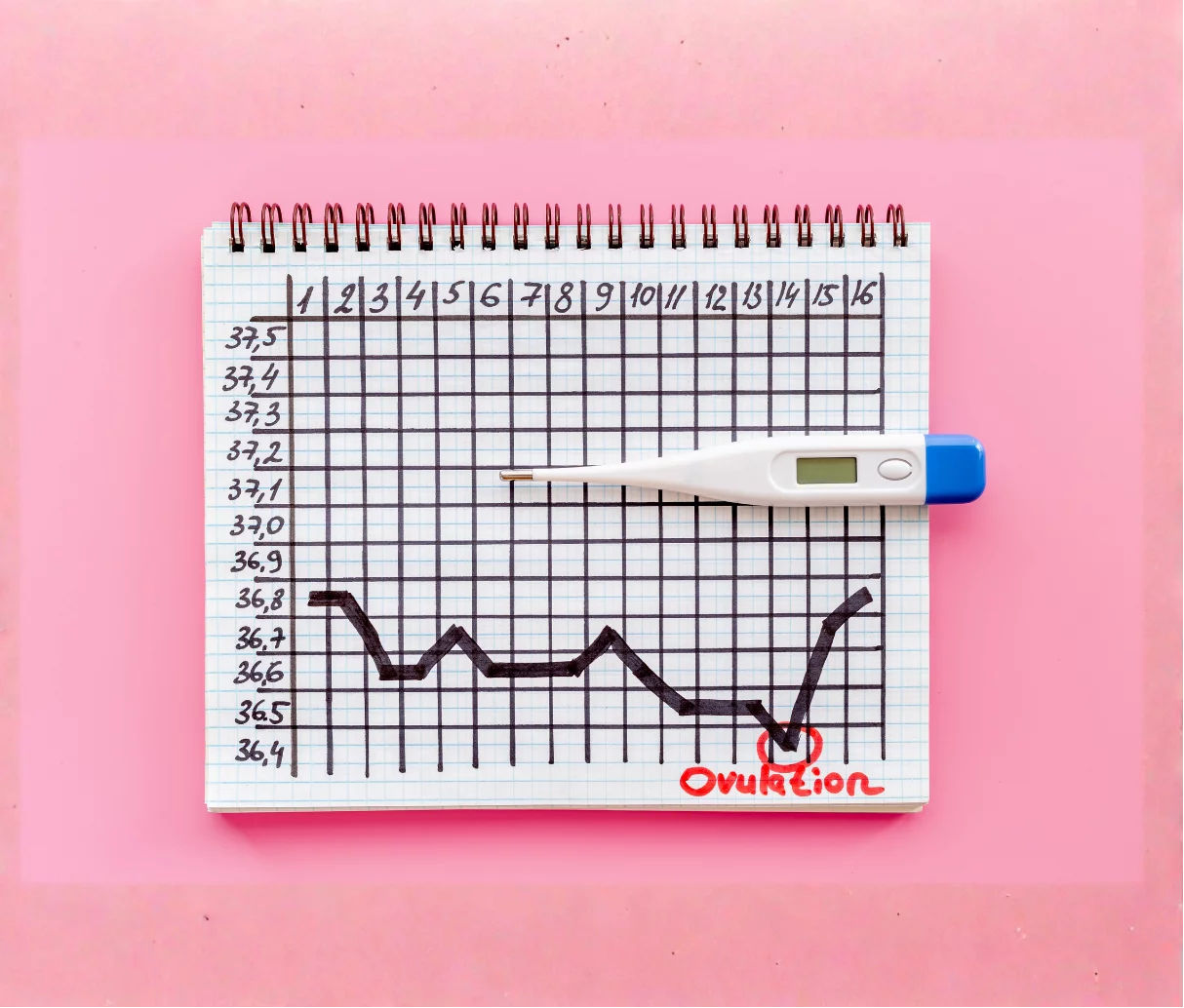
- Oestrogen is produced mainly in the first half of the cycle and prepares the body for ovulation.
- Progesterone is produced after ovulation by the corpus luteum and prepares the uterine lining for embryo implantation.
Why is Progesterone Crucial in IVF?
In IVF treatment, progesterone receives particular attention. After embryo transfer, the endometrium must be properly prepared for implantation, and progesterone plays a central role in this process:
- It prepares the endometrium (uterine lining) to allow embryo implantation.
- It relaxes the myometrium (uterine muscle), helping prevent contractions.
- It modulates the immune response to reduce the risk of embryo rejection.
- It enables the connection between the embryo and the maternal bloodstream.
After successful implantation, the embryo begins to produce hCG (human chorionic gonadotropin), which signals the ovaries to continue producing progesterone. From around week 8 of pregnancy, this role is taken over by the placenta.
Artificial vs. Natural Cycles – Where Does Progesterone Come From?
Several types of cycles may be used in IVF treatment:
- Natural or stimulated cycle: The body ovulates naturally and produces its own progesterone.
- Artificial (substituted) cycle: Typically used for frozen embryo transfer or egg donation cycles, where ovulation does not occur and progesterone must be supplemented externally.
Thanks to scientific advances, we now use micronized progesterone, which is biologically almost identical to the natural hormone. It is most commonly administered vaginally for effective local action in the uterus.
How Long is Progesterone Taken For?
In most IVF protocols, progesterone is recommended until around weeks 12–16 of pregnancy, when the placenta is fully functional. However, dosage and duration are always tailored individually, considering:
- The patient’s age
- Body weight (BMI)
- Type of cycle used
- Previous IVF experiences and outcomes