3 Factors That Can Help You Conceive
29.10.2025 · 2 min reading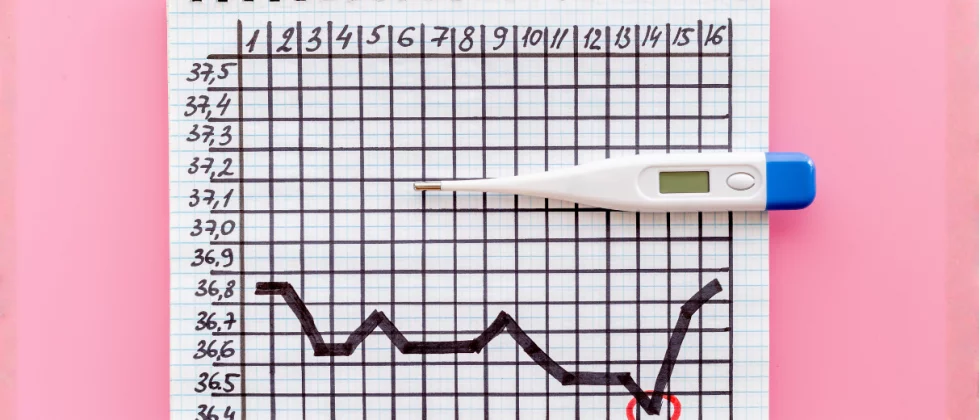
Planning for a baby? Whether naturally or with the support of IVF, proper preparation of the body can significantly improve your chances of success.
In this article, we’ll explain why folic acid is important, how ovulation tracking works, what fertile days are – and the crucial role of progesterone.
Folic Acid – A Strong Foundation for a Healthy Start
Folic acid (vitamin B9) is recommended for all women trying to conceive – not just those undergoing IVF. It helps reduce the risk of neural tube defects in the foetus and supports healthy cell development.
- Ideally start taking it 1–3 months before trying to conceive
- Recommended dose: 400–800 µg daily (or more, if advised by your doctor)
- During IVF, we often also recommend other supplements (vitamin D, iron, omega-3, etc.)
Speak with your doctor or an IVF nutrition specialist for personalised supplement guidance.
Ovulation Calendar – Timing Is Key
Whether you’re planning natural conception or insemination, it’s important to know when ovulation occurs – the release of the egg that can be fertilised. An ovulation calendar can help, using methods such as basal body temperature tracking, cervical mucus observation, or ovulation predictor kits.
- In IVF patients, ovulation is monitored via ultrasound and hormone testing
- In women with regular cycles, ovulation usually occurs between day 12 and day 16
Tracking Ovulation with Basal Body Temperature (BBT)
One of the most common ways to identify fertile days is by tracking your basal body temperature – the temperature of your body at complete rest, best measured first thing in the morning before getting out of bed.
How to measure it:
Measure at the same time every day, ideally vaginally or rectally (oral measurements are less accurate). Use a digital thermometer accurate to two decimal places. Record the temperature in a graph or app.
What to watch for:
Before ovulation, BBT is lower. After ovulation, progesterone causes it to rise by approximately 0.2–0.5°C and stay elevated until your next period. A rise in temperature indicates that ovulation has already occurred.
How to identify fertile days:
Because the temperature rise comes after ovulation, this method can’t predict fertile days in advance, but it helps track your cycle and detect regular patterns. The most fertile window is 2–3 days before ovulation and the day of ovulation.
Things to keep in mind:
BBT can be affected by illness, poor sleep, stress, fever, or alcohol. That’s why it’s best to track for several cycles to identify reliable trends.
BBT tracking is simple and non-invasive. It works best when combined with other fertility awareness methods like monitoring cervical mucus or using ovulation tests.
Fertile Days – Your “Window of Opportunity”
Fertile days are the days when the chance of conception is highest. In natural cycles, intercourse should ideally occur from 2 days before ovulation up to 1 day after.
During IVF (e.g. IUI or timed intercourse), ovulation is closely monitored and timing is carefully planned by the clinic.
- Online ovulation calendars are useful, but not 100% reliable
- Ovulation tests (available in pharmacies) can help detect your fertile window
- IVF clinics use more precise tools like hormone profiling and ultrasound monitoring
- If undergoing a full IVF cycle, egg collection is usually scheduled around the time of ovulation